How Rising Gas Prices Could Reshape E-Commerce Strategy For Advertisers
Steve Lee
Founder, Aeris

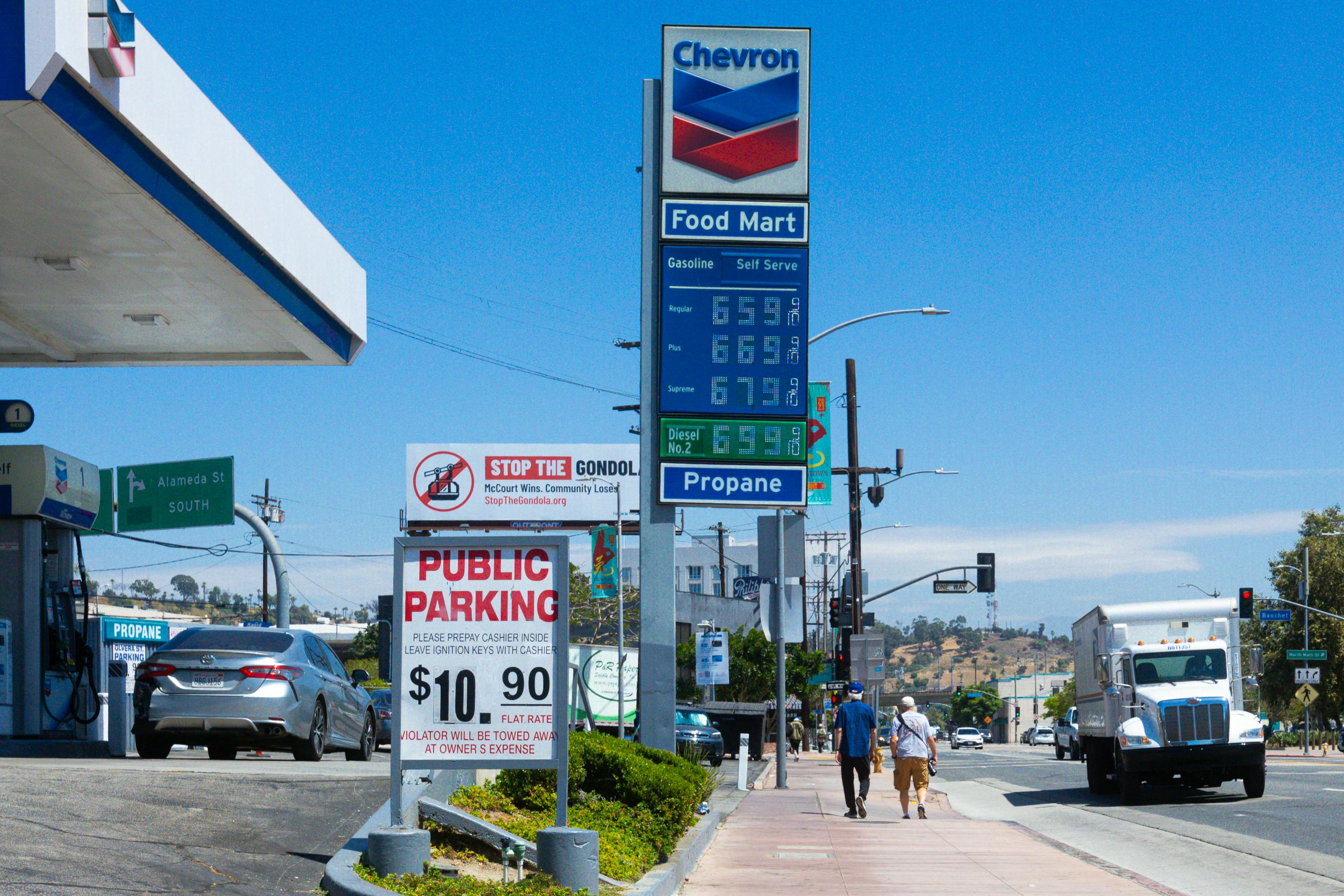
The pump is pinching wallets again, and the ripple effects are reaching far beyond the gas station. With national gas prices averaging $4.43 per gallon — well above the $3.16 average from a year ago — consumers are fundamentally rethinking how, where, and why they shop.
This isn't just a story about fuel costs. It's a story about behavioral shifts that every advertiser and commerce media strategist needs to understand. When filling a tank becomes a budgetary event rather than a routine errand, the entire retail ecosystem adjusts. And right now, that adjustment is tilting heavily toward e-commerce — particularly for household essentials.
The Driving-To-Shopping Disconnect
Higher fuel costs create an immediate friction point between consumers and physical retail.
- Foot traffic data from Placer.ai reveals visits to discretionary retailers have declined year-over-year for four consecutive weeks as of mid-May
- Non-discretionary retail visits, conversely, rose for the fourth straight week
- Consumers are consolidating trips, favoring warehouse clubs, superstores, and off-price chains when they do venture out
- The cost of "just popping out" to grab a few items has become a line item worth scrutinizing
- Impulse shopping at physical locations faces a new barrier: the drive itself
- Strategic trip planning has replaced casual browsing for many households
- Gas price sensitivity is amplifying existing convenience preferences
The math is simple but profound. Every unnecessary trip now carries a visible cost that consumers actively calculate.
Amazon's Infrastructure Bet Comes Into Focus
Amazon has spent years building delivery speed as a competitive moat. That investment now looks prescient.
- The company rolled out one-hour and three-hour delivery options in March for over 90,000 products
- Categories prioritized include pantry items, cleaning supplies, and over-the-counter medications
- The "Amazon Now" service, expanded in May, promises 30-minute delivery in dozens of U.S. cities
- Grocery and household essentials sit at the center of this ultrafast delivery push
- Same-day delivery infrastructure now covers a significant portion of the U.S. population
- Prime membership is being repositioned as a household management tool, not just a shopping perk
- CEO Andy Jassy has publicly linked delivery speed to increased basket sizes and customer retention
When getting to a store costs more, getting the store to come to you becomes the obvious solution.
The Basket Economics Shift
Speed isn't just about convenience — it's changing purchase behavior in measurable ways.
- According to Amazon's recent earnings call, customers shopping same-day perishables add nearly three times as many items to their orders
- These same customers spend over 80% more than those who don't use same-day options
- Routine replenishment purchases are migrating from physical retail to subscription and delivery models
- Consumers are bundling purchases to maximize delivery value
- Household essentials — historically a brick-and-mortar stronghold — are increasingly digital-first for many shoppers
- The "stock up" mentality pairs naturally with delivery economics
For advertisers, this means rethinking where conversion happens. The path from awareness to purchase increasingly runs through digital touchpoints, even for traditionally offline categories.
What This Means For Commerce Media Strategy
The gas price squeeze creates specific opportunities for brands and advertisers operating in the commerce media space.
- Household essentials advertisers should prioritize e-commerce placements and retail media networks
- Products positioned as "worth the trip" need to justify that claim more explicitly
- Delivery-focused messaging gains relevance and urgency
- Bundle promotions become more attractive when consumers seek to consolidate orders
- Subscription models offer stability in an uncertain spending environment
- Local inventory ads matter more when consumers are selective about physical store visits
- Cross-channel attribution becomes critical as the online-offline balance shifts
The brands that understand this moment will adjust their media mix accordingly. Those that don't will wonder why store traffic isn't converting like it used to.
The Price Sensitivity Paradox
Consumers are squeezed but not necessarily spending less — they're spending differently.
- Optimove Research found 52% of U.S. consumers expect to spend more this summer compared to last year
- Only 17% expect to spend less overall
- Discounts and promotions remain major motivators in purchasing decisions
- Price consciousness is high, but spending intent remains resilient
- Value perception matters more than absolute price points
- Consumers are reallocating budgets rather than cutting them entirely
- Essential categories gain wallet share at the expense of discretionary purchases
This creates a nuanced targeting challenge. Audiences aren't uniformly cutting back — they're making trade-offs. Smart advertisers will identify where those trade-offs create opportunity.
The Competitive Pricing Battleground
First-party retailers with scale have leverage that smaller players lack.
- Amazon's position as a first-party retailer allows it to absorb cost pressures on groceries
- Competitors like Walmart have already warned that higher fuel costs may translate to higher shelf prices
- Price-competitive positioning on essentials can drive long-term customer acquisition
- Short-term margin compression may be worth the lifetime value gains
- Brands that partner with platforms offering price stability gain an indirect advantage
- Advertising on cost-conscious platforms aligns brand positioning with consumer sentiment
- The grocery category, in particular, is becoming a strategic battleground for customer loyalty
For commerce media, this intensifies the importance of platform selection. Where you advertise increasingly signals something about your brand's value proposition.
Final Thoughts
Gas prices function as an economic magnifying glass, making every friction point in the shopping experience more visible. The current spike above $4 per gallon isn't just changing what consumers buy — it's accelerating shifts in how and where they buy that were already underway.
For advertisers and brands, this moment demands attention to fundamentals: meeting consumers where they are, understanding the real costs (including time and fuel) embedded in every purchase decision, and investing in channels that reduce friction rather than adding to it. E-commerce and commerce media platforms that deliver convenience alongside value will capture an outsized share of this reallocation.
The road to conversion just got more expensive — but only if you're still asking customers to drive.